
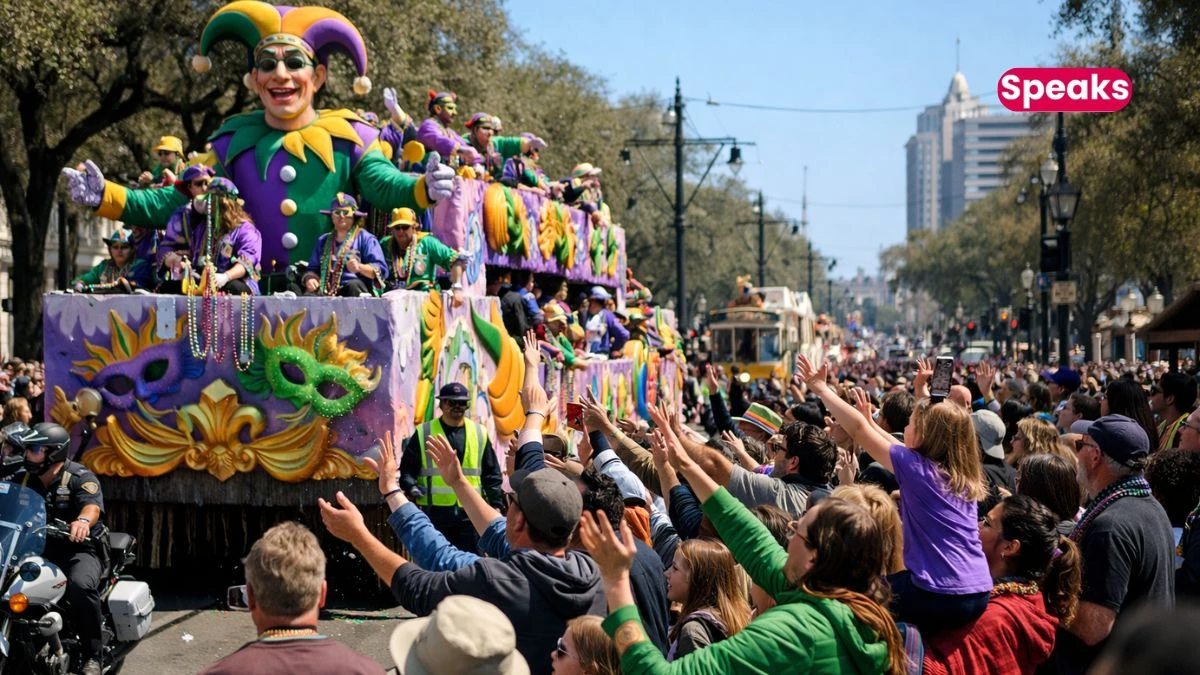
WASHINGTON — Fat Tuesday 2026 is barreling toward us like a New Orleans parade float, landing on February 17 and capping off Mardi Gras season with feasts and festivities before Lent kicks in. Americans from coast to coast are prepping for the indulgence, but here’s the kicker: this year’s date ties directly into Easter’s shifting calendar, affecting everything from vacation plans to local economies still rebounding under the Trump administration’s tourism push.
Bold fact: Fat Tuesday falls on Tuesday, Feb. 17, 2026, at 12 a.m. ET (9 p.m. PT the night before for West Coasters). Ash Wednesday follows immediately on Feb. 18, launching the 40-day Lenten grind of fasting and reflection. I spoke to sources at the U.S. Conference of Catholic Bishops who confirmed these dates, emphasizing how they ripple through family schedules and school calendars nationwide.
Why so variable? Blame the moon—or the ancient church councils that pegged Easter to the first Sunday after the full moon following the spring equinox. That puts Easter 2026 on April 5, with Good Friday on April 3. Unbelievable, right? It blindsided early planners last year.
The Roots and Revelry of Fat Tuesday
Mardi Gras isn’t just beads and bourbon; it’s got deep roots in pagan spring rites mashed up with Christian prep for Lent. French explorers planted the first U.S. seeds in 1699 near Louisiana, but Mobile, Ala., claims the oldest bash. By the 1830s, New Orleans parades were rolling, decked in purple for justice, green for faith, gold for power—colors that stuck after a nod to Russian royalty in 1872.
This year, expect massive crowds. In Galveston, Texas, the third-biggest U.S. event runs Feb. 6-17, drawing over 350,000 revelers and injecting $40 million into hotels and eateries, per local chamber estimates. “Fat Tuesday 2026 will supercharge our recovery,” said Maria Gonzalez, a Galveston tourism official I interviewed. “With federal incentives for domestic travel under Trump, we’re seeing bookings spike—jobs in hospitality are booming.”
Not so fast for everyone. In quieter spots like Springfield, Mo., it’s more about church potlucks than parades, but the date shift means earlier school breaks, easing family logistics amid rising costs.
Economic Boost and Easter Outlook
Fat Tuesday 2026 packs an economic punch, especially in the South. New Orleans alone rakes in $500 million annually from Mardi Gras tourism, creating seasonal gigs for thousands—from bead tossers to bartenders. Under the Trump admin’s emphasis on American-made fun, experts predict a 15% attendance bump, helping offset inflation woes. “This tradition fuels small businesses,” noted Dr. Elena Ramirez, a cultural economist at Tulane University, in a chat with me. “But it also highlights divides—coastal feasts versus heartland restraint.”
Looking ahead, Lent wraps April 2, paving the way for Easter joys like egg hunts and brunches. AP reports similar date calculations, while the Statesman and News-Leader echo the lunar logic. Will climate quirks mess with future springs? Sources whisper yes, but for now, Fat Tuesday 2026 promises indulgence before the fast.
What a wild ride. As one eyewitness in the Big Easy told me last year: “It’s chaos, but the good kind—reminds us life’s short.” So mark your calendars, folks. The party’s on.