
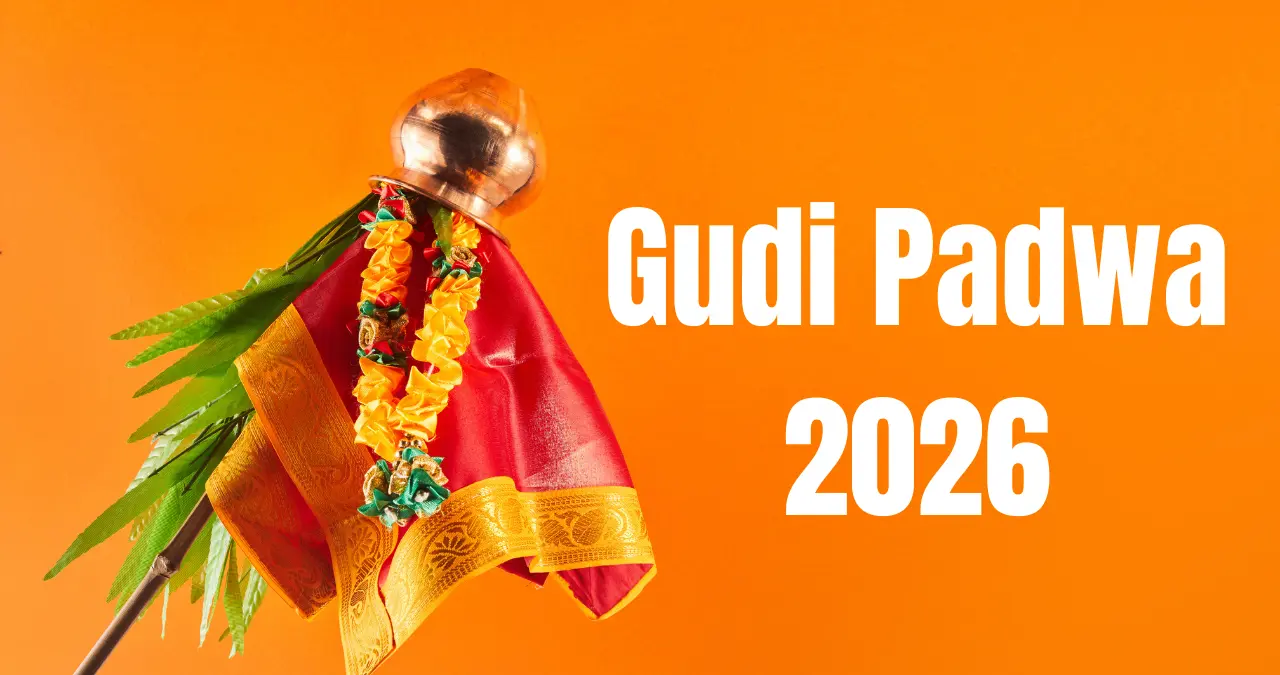
Gudi Padwa is one of the most important festivals celebrated in Maharashtra and marks the beginning of the Marathi New Year. It is a festival that symbolises new beginnings, prosperity, and victory of good over evil. In 2026, there has been some confusion regarding the exact date due to tithi variations, but according to the Hindu Panchang, Gudi Padwa will be celebrated on 19 March 2026.
This auspicious day falls on Chaitra Shukla Pratipada, which is the first day of the Hindu lunar calendar. It is also considered one of the “Sade Teen Muhurat”, meaning it is among the most शुभ days of the year when any new work can be started without looking for a separate muhurat.
Gudi Padwa 2026 Date and Muhurat
In 2026, the Amavasya tithi ends on 19 March at 6:52 AM. Only after this time does the new tithi, Chaitra Shukla Pratipada, begin. Therefore, all religious rituals and celebrations of Gudi Padwa should be performed after 6:53 AM.
The most suitable time to raise the Gudi, perform Panchang Puja, and begin any new activity is after this time. Following the correct muhurat is important because it aligns the rituals with the proper lunar energy and ensures positive results throughout the year.
Importance of Gudi Padwa
Gudi Padwa holds deep cultural and spiritual significance in Indian tradition. It is believed that on this day, Lord Brahma created the universe, which is why it is considered the beginning of time itself. The festival also commemorates the victory of Lord Rama over Ravana and his return to Ayodhya, symbolising triumph and righteousness.
In Maharashtra, the Gudi is seen as a symbol of victory and success. It is also called “Brahmadhwaj”, representing divine blessings and protection. Raising the Gudi outside the house is believed to invite prosperity, ward off negative energies, and bring good fortune for the entire year.
How to Raise Gudi at Home
The preparation for Gudi Padwa begins early in the morning. People wake up before sunrise, clean their homes thoroughly, and take an Abhyang Snan, which is a traditional oil bath considered very auspicious.
After this, the entrance of the house is decorated with a toran made of mango leaves and marigold flowers. Rangoli is drawn in front of the house to welcome positivity and happiness.
The Gudi is then prepared using a long bamboo stick. A bright silk cloth is tied to the top of the stick, along with a garland of sugar crystals known as “gathi”, neem leaves, and fresh flowers. On the top of the stick, a copper or silver kalash is placed upside down. This entire arrangement is then raised outside the house, usually on the right side of the entrance or in a high visible place.
The Gudi is worshipped by offering haldi, kumkum, flowers, and prayers. Family members gather together and seek blessings for a prosperous year ahead.
Neem Prasad and Its Health Significance
One of the unique traditions of Gudi Padwa is the consumption of neem prasad. This mixture is made using tender neem leaves along with black pepper, roasted gram, ajwain, salt, and hing.
This prasad is not only symbolic but also has strong health benefits. It helps in purifying the blood, improving digestion, and boosting immunity. Since Gudi Padwa marks the beginning of summer, consuming neem helps the body adapt to seasonal changes and protects against infections.
Panchang Puja and Beginning of Navratri
On Gudi Padwa, people also perform Panchang Puja, where the new Hindu calendar is worshipped. The yearly predictions, known as “Varshaphal”, are read to understand what the upcoming year holds.
This day also marks the beginning of Chaitra Navratri, also known as Ram Navratri. Devotees worship Lord Rama and Goddess Durga during this period. Many people recite Ram Raksha Stotra or perform simple puja at home if visiting a temple is not possible.
When and How to Remove Gudi
The Gudi should remain raised throughout the day as a symbol of celebration and positivity. It should be respectfully taken down before sunset.
Before removing the Gudi, it is important to offer haldi, kumkum, and akshata. A short prayer should be offered to express gratitude. The Gudi should then be carefully lowered and the items used in it can be preserved or respectfully used as prasad.
Why Gudi Padwa is Ideal for New Beginnings
Gudi Padwa is considered a complete auspicious muhurat, which means there is no need to check for a separate time to begin new activities. People often start new businesses, make investments, buy gold, vehicles, or property on this day.
It is believed that any work started on this day grows successfully and brings long-term prosperity.
Gudi Padwa 2026 is not just a traditional festival but a powerful reminder of renewal, positivity, and success. By following the correct muhurat and performing rituals in a proper way, one can invite happiness, health, and prosperity into life.
Celebrating this festival with devotion, cleanliness, and positivity helps set the tone for the entire year. As the new Marathi year begins, it brings with it new hopes, opportunities, and success for everyone.
Wishing you a prosperous and joyful Gudi Padwa 2026!